Picks
Choosing Travel Shoes When You Have High Arches
By Rowan Hale, Footwear Editor · Published Oct 1, 2026 · Updated Oct 1, 2026
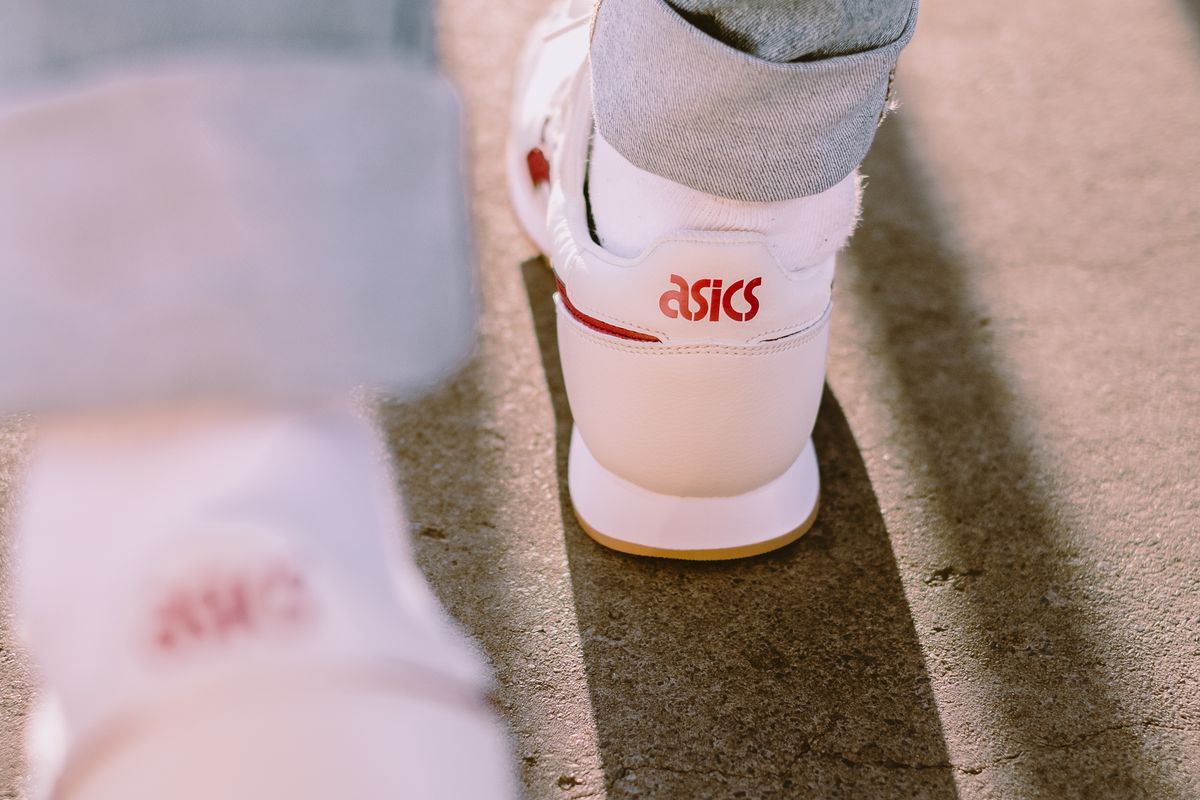
High arches change the geometry of a long walking day. Where an average foot spreads load along a broad contact line, a high-rigid arch touches down mainly at the heel and the ball of the foot — so every step on pavement funnels force through two smaller zones. On a normal day this is invisible. On a 20,000-step city day it becomes forefoot burning by afternoon and a bruised-feel heel by evening.
What high arches actually need
Cushioning where the pressure lands. Forefoot and heel stack matter more to high-arched walkers than to anyone else, because those are the two contact zones. Published midsole specs — heel and forefoot stack heights — are the numbers to compare, and thicker is generally better here, within the limits of stability.
Arch support versus midsole support. These get conflated, and the distinction decides what to buy. Arch support means a shaped footbed that fills the space under the arch, spreading load across more of the foot. Midsole support means structural elements — medial posts, guide frames — that control how much the foot rolls inward. High-but-rigid arches usually need the first and can be harmed by too much of the second; high-and-flexible arches often benefit from both. Owner feedback patterns split along exactly this line.
Room for an aftermarket insole. Even a good stock footbed is thin. A removable insole with decent depth lets you add a contoured, deeper-cupped insert later — the cheapest upgrade available to high-arched walkers, and the reason removable insoles are a hard requirement in the picks below.
The picks
Per our comparison method, these come from published specs and consistent patterns in verified owner feedback.
Hoka Arahi 7 — the cushioned-guidance pick.
A published 37 mm heel and 32 mm forefoot stack in men’s sizing with a 5 mm drop gives the thickest pressure relief of the three, and Hoka’s J-Frame adds gentle guidance without a hard post — the right dose for high-and-flexible arches. The contoured footbed is removable, and the early-stage rocker rolls pressure off the ball of the foot at toe-off.
ASICS GT-2160 — the cushioned everyday pick.
Roughly 340 g per shoe in recent listings, with dual GEL units in the midsole absorbing impact at exactly the heel and forefoot zones high arches overload. Its stable, wider-than-average platform suits travelers who find rocker shoes unsettled, and the OrthoLite footbed is removable for an insole upgrade. Owner reviews commonly note all-day comfort on hard floors.
New Balance 990v6 — the wide-width pick.
A published 12 mm drop with ENCAP midsole technology — an EVA core inside a polyurethane rim — balancing soft landings with durable structure, and a 32 mm heel stack. It is the pick for high-arched walkers who also need width: 4E sizing is available, and the roomier interior leaves genuine volume for a thicker aftermarket insole. The trade is weight and price; published weights land around 333-388 g per shoe depending on size.
How to choose between them
Pressure in the forefoot dominates your day: the Arahi 7’s rocker and stack address it directly. Want a familiar, flat-and-stable ride with GEL under the hot spots: the GT-2160. Wide feet or a planned insole upgrade: the 990v6. Whichever you pick, break it in on local pavement before the trip — high arches and new shoes are a worse combination than either alone. For general sizing logic, see how to choose travel shoes.
The picks
Some links below are affiliate links — we may earn a commission at no extra cost to you.
Hoka Arahi 7
Best cushioning $145A published 37 mm heel / 32 mm forefoot stack with a 5 mm drop and Hoka's J-Frame for gentle guidance without a hard post. The early-stage MetaRocker rolls pressure off the ball of the foot, and the footbed is removable for an insole upgrade.
ASICS GT-2160
Everyday cushioned pickRoughly 340 g per shoe with dual GEL units cushioning the heel and forefoot zones high arches overload. A wider-than-average stable platform and removable OrthoLite footbed make it insole-friendly.
New Balance 990v6
Best for wide feet $199.95A published 12 mm drop with ENCAP midsole technology pairing an EVA core and polyurethane rim, plus 4E width options and volume for thicker aftermarket insoles. Heavier and pricier than the others.
At a glance
| Pick | Price | Stack (heel/forefoot) | Support character | Best for |
|---|---|---|---|---|
| Hoka Arahi 7 | $145 | 37 / 32 mm (M) | J-Frame guidance + rocker | Forefoot pressure, flexible arches |
| ASICS GT-2160 | See store | Moderate | Neutral, dual GEL | Stable flat-ride preference |
| New Balance 990v6 | $199.95 | 32 / 20 mm | ENCAP structure, neutral | Wide feet, insole upgrades |
FAQ
- Why do high arches hurt more when traveling?
- A rigid, high arch concentrates load at two small areas — the heel and the ball of the foot — instead of distributing it along a fuller contact line. Long pavement days multiply those concentrated contacts into forefoot burning and heel bruising that flat-footed walkers rarely feel.
- Do I need shoes labeled 'arch support'?
- Not necessarily. What high-arched walkers need first is cushioning that softens the two pressure zones, then a shaped footbed that fills the gap under the arch. Some of the best options are neutral cushioned shoes with contoured footbeds rather than stability models.
- Can aftermarket insoles fix a shoe with flat support?
- Often, yes. A quality aftermarket insole with a deeper heel cup and arch contour can upgrade an otherwise good shoe. Leave enough volume — remove the stock insole, check toe room, and expect to go up a half size in some low-volume models.
- Is cushioning or support more important for high arches?
- Cushioning comes first for most travelers, because the problem is pressure concentration, not excessive motion. Support features matter when the arch is high and flexible, where guidance structures keep the foot from collapsing inward under fatigue.
On the Ground
Four surfaces, read separately
Airport day
Terminal floors, security lines, overnight feet.
Beach town
Hot pavers, algae-slick steps, sand in everything.
City walking
Old stone that never flexes underfoot.
Trail day
Day-trip dirt that turns to mud by noon.