Picks
Are Trail Runners Better Than Hiking Shoes for Weekend Trips?
By Rowan Hale, Footwear Editor · Published Oct 1, 2026 · Updated Oct 1, 2026
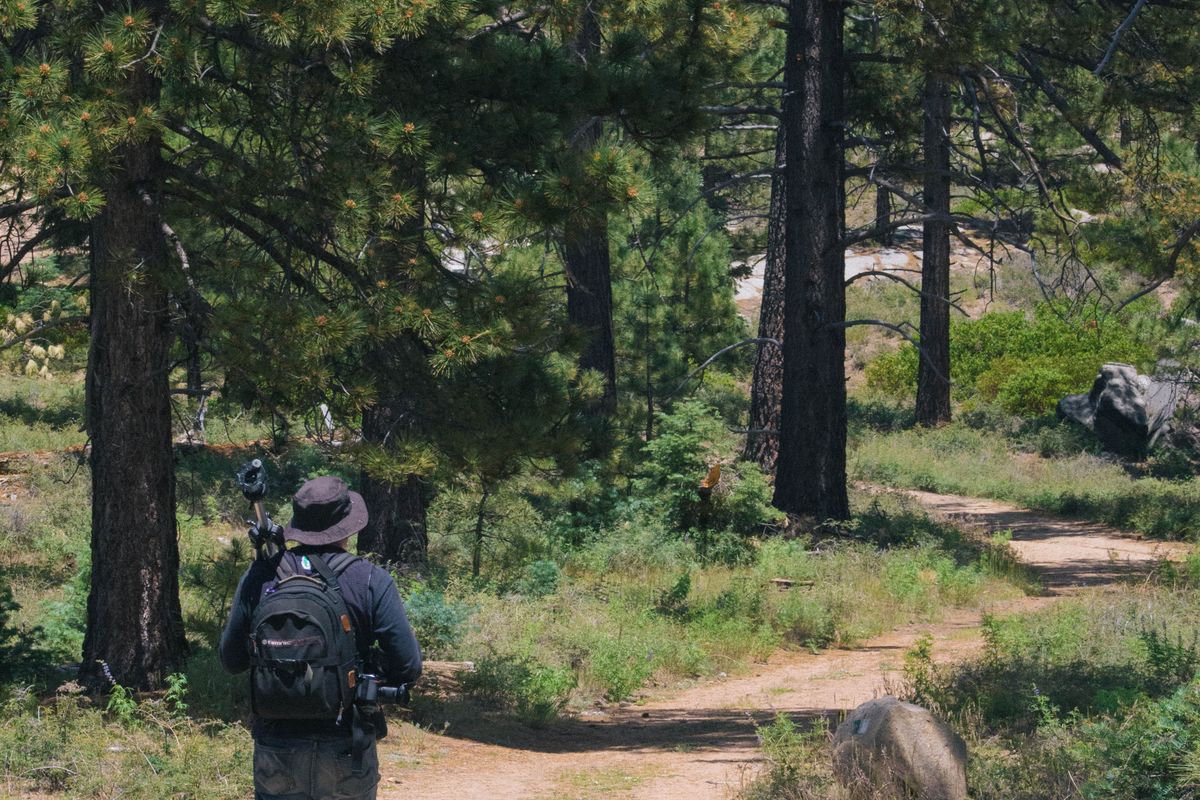
The trail-runner-versus-hiking-shoe question has a real answer, but it is not a product answer — it is a terrain-and-load answer. The two categories optimize for different failures: trail runners are built so your legs feel fresh at mile twelve; hiking shoes are built so your feet survive mile twelve of rocks. Weekend trips expose exactly where each bet pays off.
The case for trail runners
Weight is the argument that never goes away. Current cushioned trail runners publish around 250-280 g per shoe — roughly 100-150 g less per foot than mainstream low-cut hikers — and that difference repeats with every stride for two full days. The second argument is cushioning: thick, soft midsoles absorb the repetitive impact that makes hard-packed trail feel punishing by Sunday morning. The pattern across verified owner reviews is consistent: on smooth to moderate trails, lighter shoes are reported to leave legs less worn out, and that margin widens with distance.
The case for hiking shoes
Protection and structure. A firmer platform with an internal shank or chassis resists the two forces loose ground applies: sharp point loads under the forefoot and torsional twist on angled placements. Hiking shoes also generally carry more outsole rubber with deeper, denser lugs, which holds on gravel and wet roots where road-leaning tread skates. Add a loaded pack — even a modest weekend bag — and the case strengthens, because the extra load amplifies every instability the lighter shoe absorbs with muscle instead of structure.
The scenario verdict
Choose trail runners when your weekend means maintained trails, moderate mileage, and a light pack — rail trails, national park loops, coastal paths in dry weather. The weight and cushioning wins compound; the missing protection rarely gets tested.
Choose hiking shoes when the route is rocky, steep, or loosely defined, or when you carry real weight. Scree, talus, wet slab, and off-trail navigation are where platform stability earns its grams.
Split the difference when one day is smooth and the next is rough: pack the hiking shoes and accept the extra weight on the easy day, not the other way around.
Three picks, three positions
Per our comparison method, each pick below represents one side of the argument, based on published specs and verified owner feedback.
Hoka Speedgoat 6 — the trail-runner position.
A published 278 g per shoe with a 5 mm drop, Vibram Megagrip rubber with Traction Lugs at 5 mm depth, and a protective toe bumper. It is the rare trail runner whose outsole genuinely competes with hikers’ grip, which is why it anchors the lightweight argument even on sketchier ground.
Salomon X Ultra 4 GTX — the hiking-shoe position.
At 390 g per shoe with an 11 mm drop, the Advanced Chassis delivers the torsional platform trail runners lack, and All Terrain Contagrip rubber covers wet, dry, hard, and loose ground. The GORE-TEX membrane suits unpredictable weekend weather at the cost of some breathability.
Merrell Moab 3 — the classic middle ground.
The heaviest here at a published 460 g per shoe, but the Vibram TC5+ outsole, nylon arch shank, and heel Air Cushion deliver the stability-plus-comfort package that made this line a default recommendation. Owner reviews consistently cite zero break-in, which matters when shoes go straight from box to trailhead.
Bottom line
For most weekend trips on real trails, cushioned trail runners are the better default — lighter, kinder to legs, and grippy enough on maintained routes. Switch to hiking shoes when rock, load, or weather stop being occasional. If you are choosing one light pair specifically for day routes, our light hiking shoes guide narrows that middle ground further.
The picks
Some links below are affiliate links — we may earn a commission at no extra cost to you.
Hoka Speedgoat 6
Trail runner pickA published 278 g per shoe, 5 mm drop, and Vibram Megagrip rubber with 5 mm Traction Lugs plus a toe bumper — the cushioning-and-weight argument, with grip that holds up on rougher ground than most trail runners.
Salomon X Ultra 4 GTX
Hiking shoe pick390 g per shoe with an 11 mm drop and an internal Advanced Chassis for torsional stability, plus All Terrain Contagrip rubber and a GORE-TEX membrane. The protection-and-structure position for rocky or wet weekends.
Merrell Moab 3
Classic middle groundA published 460 g per shoe with a Vibram TC5+ outsole, nylon arch shank, and heel Air Cushion. The stability-plus-comfort default for mixed weekends, with owner reviews consistently reporting zero break-in.
At a glance
| Pick | Weight per shoe | Drop | Traction | Best for |
|---|---|---|---|---|
| Hoka Speedgoat 6 | 278 g | 5 mm | Vibram Megagrip, 5 mm lugs | Maintained trails, light packs |
| Salomon X Ultra 4 GTX | 390 g | 11 mm | All Terrain Contagrip | Rocky or wet terrain, membrane needed |
| Merrell Moab 3 | 460 g | 11.5 mm | Vibram TC5+, 5 mm lugs | Loaded packs, mixed routes |
FAQ
- Are trail runners really lighter than hiking shoes?
- Yes, and the gap is large. Published specs for current cushioned trail runners sit around 250-280 g per shoe, while popular low-cut hiking shoes run roughly 320-460 g per shoe. Over a full hiking day, that difference shows up as noticeably less leg fatigue.
- What do hiking shoes do better?
- Underfoot protection and torsional stability. Shanks, chassis plates, and firmer platforms keep sharp rocks and angled roots from reaching your arch, which matters most on rocky, loose, or off-trail ground and when carrying a loaded pack.
- Can I hike a whole weekend in trail runners?
- On maintained trails with a light pack, many hikers do exactly that. The risks accumulate on rocky descents, off-trail travel, and multi-day loads, where the lighter platform offers less defense for your feet and less structure for your ankles.
- Do waterproof membranes change the answer?
- They change it less than people expect. Membrane versions of both categories exist, and both breathe less because of it. Choose membranes for consistently wet climates; otherwise a quick-drying non-waterproof upper is usually the more comfortable choice.
On the Ground
Four surfaces, read separately
Airport day
Terminal floors, security lines, overnight feet.
Beach town
Hot pavers, algae-slick steps, sand in everything.
City walking
Old stone that never flexes underfoot.
Trail day
Day-trip dirt that turns to mud by noon.