Picks
Why Cobblestones Are Hard on Shoes — and What Handles Them
By Rowan Hale, Footwear Editor · Published Oct 1, 2026 · Updated Oct 1, 2026
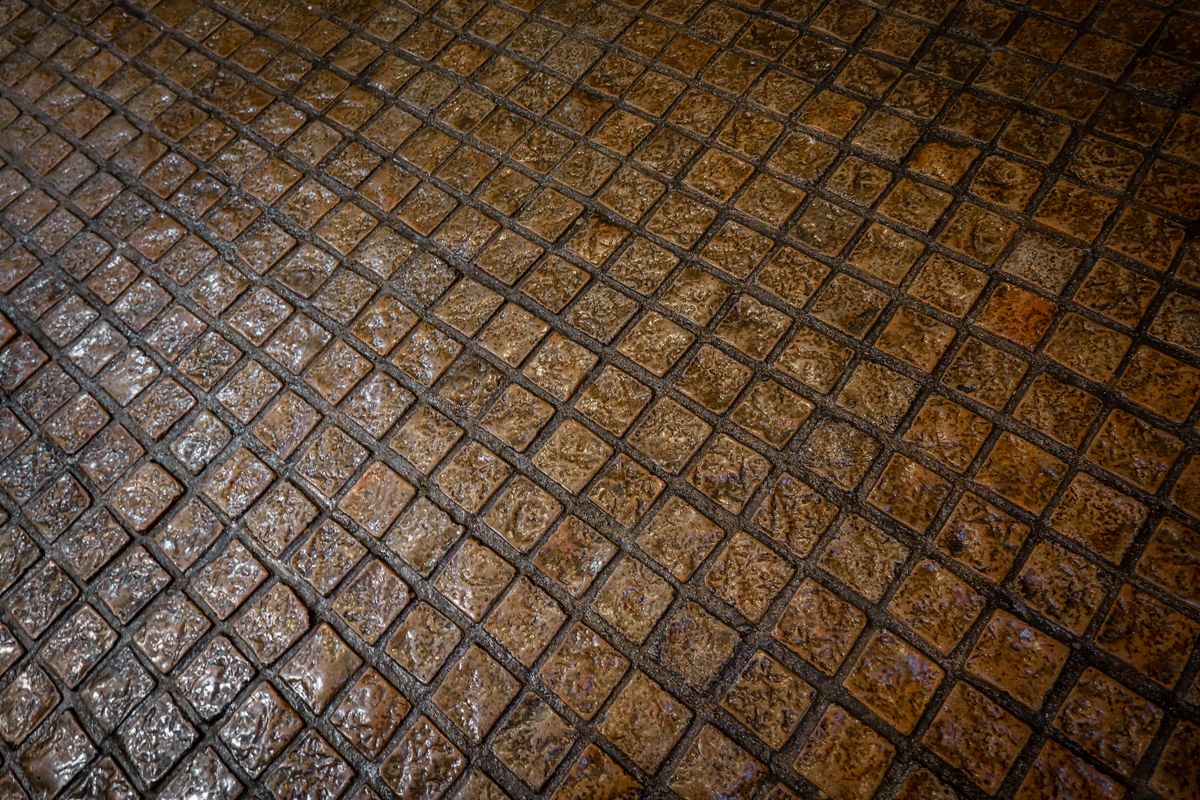
A day on cobblestones is a longer, harder walk than the step count suggests. Old city streets are uneven, rounded, and often slick, so your feet work overtime on stabilization that flat pavement never asks for. Ten thousand steps on stone can leave you more worn out than fifteen on smooth sidewalks — which is why shoe choice matters more here than for almost any other city scenario.
What cobblestones actually demand
Four things decide whether a shoe survives a full day on old streets, and none of them is brand.
A forefoot that flexes where you bend. Cobblestones put pressure on small, changing contact points. A stiff platform concentrates load on the highest stone; a sole that bends with your stride spreads it out. This is the same mechanism we explain in why cobblestone streets punish stiff midsoles — flexibility isn’t a comfort feature here, it’s load management.
Shallow, dense tread. Deep, widely spaced lugs are built to bite soft ground. On rounded stone they balance on their tips, which feels twitchy, especially when the stone is wet. Dense, low-profile tread puts more rubber on more stone at once.
Cushioning that keeps its shape. The reported failure mode for thin-soled shoes on long stone days is not soreness at hour one — it’s flattening by hour four. Owner feedback on full-day walking consistently points to midsoles around 30 mm of heel stack as the practical floor for 15,000-plus step days.
A fit that tolerates swelling. Feet grow over a long day. Shoes that fit at 9 a.m. can pinch by 3 p.m., and width matters more than length. Sizing for travel has its own logic; we break it down in the travel sizing guide.
The picks
Per our comparison method, these come from published specs, retail listings, and repeating patterns in owner feedback — not from a test lab.
Salomon XA Pro 3D GTX — best overall for itineraries that mix stone with parks, canal paths, or gravel shortcuts. The 11 mm drop platform and Contagrip outsole carry a dense, stone-friendly tread, and the GTX membrane covers wet-stone mornings. The trade is weight: this is the heaviest of the three, which matters if your bag has no room to spare.
Hoka Clifton 9 — the cushioning pick for pure city days. Its roughly 37 mm heel stack is the deepest here, and the difference shows up between hours four and eight, when thinner midsoles have already flattened out. Tread is a road pattern, so confidence drops when the stones are slick — check the weather before committing to this one for a shoulder-season trip.
Merrell Moab 3 — the hike-leaning alternative with the roomiest toe box of the three, which matters more than it sounds: feet swell over long days, and width pressure is the most common complaint in owner reviews of long walking days. The Vibram outsole handles gravel and park detours; underfoot plushness trails the Clifton on flat pavement.
The through-line across all three: cushioning and a stable-but-not-stiff platform ahead of aggressive tread, because that’s what the scenario pays for.
How to choose between them
If your itinerary mixes stone with parks, canal paths, or gravel shortcuts, the trail-leaning option earns its extra weight. If your days are pure city — museums, old towns, marble floors — prioritize the cushioned road option and accept less tread. If you’re between widths, size for the afternoon, not the morning.
Whichever you pick, give it the two-week preparation we lay out in the break-in guide — new shoes and eight-hour days don’t mix, whatever the surface.
The picks
Some links below are affiliate links — we may earn a commission at no extra cost to you.
Salomon XA Pro 3D GTX
Best overallThe all-terrain choice: an 11 mm heel-to-toe drop platform with Salomon's Contagrip outsole keeps a dense, stone-friendly tread pattern, and the GTX membrane covers wet-stone mornings. Trail-leaning but entirely at home in a city break itinerary that mixes parks and gravel shortcuts.
Hoka Clifton 9
Best cushioningThe road-day option. A 5 mm drop platform with the deepest cushioning of the three at roughly 37 mm heel stack, which is the margin you feel between hours four and eight on stone. Tread is a road pattern — fine in dry conditions, less confident when the stones are slick.
Merrell Moab 3
Hike-leaning alternativeThe versatile middle path: a Vibram outsole with moderate tread depth, a roomier toe box that tolerates afternoon swelling, and a construction that shrugs off gravel and park detours. Less plush underfoot than the Clifton on pure pavement days.
At a glance
| Pick | Drop | Stack | Tread character | Best for |
|---|---|---|---|---|
| Salomon XA Pro 3D GTX | 11 mm | Moderate | Dense, all-terrain | Mixed stone + park/gravel days |
| Hoka Clifton 9 | 5 mm | ~37 mm heel | Road pattern | Pure city days in dry weather |
| Merrell Moab 3 | 11 mm | Moderate | Moderate trail | Wider feet, mixed surfaces |
FAQ
- Can running shoes handle cobblestones?
- Most can, with caveats. Road running shoes usually have enough cushioning, but soft, deep-spaced outsoles can feel unstable on rounded stone, and thin midsoles under 30 mm stack flatten out fast over a full day. Trail-oriented models with dense, shallow lugs tend to grip better on wet stone.
- How much cushioning do I need for a full day on stone?
- A useful floor is around 30 mm of heel stack for days in the 15,000-20,000 step range, based on how quickly thinner midsoles are reported to flatten over long walks. Cushioning matters more than softness — responsive foam that keeps its shape beats plush foam that bottoms out by mid-afternoon.
- Do I need waterproof shoes for cobblestone streets?
- Only if rain is likely. Stone stays wet long after pavement dries, so waterproofing helps in shoulder seasons. In summer heat, the breathability you lose usually outweighs the benefit. We cover the tradeoff in our waterproof shoes guide.
- Are wide-fit versions worth seeking out?
- Feet swell over long walking days, and stone doesn't flex underfoot the way softer surfaces do. If you're between sizes or widths, the wider option is usually the safer call for cobblestone itineraries.
On the Ground
Four surfaces, read separately
Airport day
Terminal floors, security lines, overnight feet.
Beach town
Hot pavers, algae-slick steps, sand in everything.
Trail day
Day-trip dirt that turns to mud by noon.