Guide
Salomon Speedcross: Trail Shoe or City Shoe?
By Rowan Hale, Footwear Editor · Published Oct 1, 2026 · Updated Oct 1, 2026
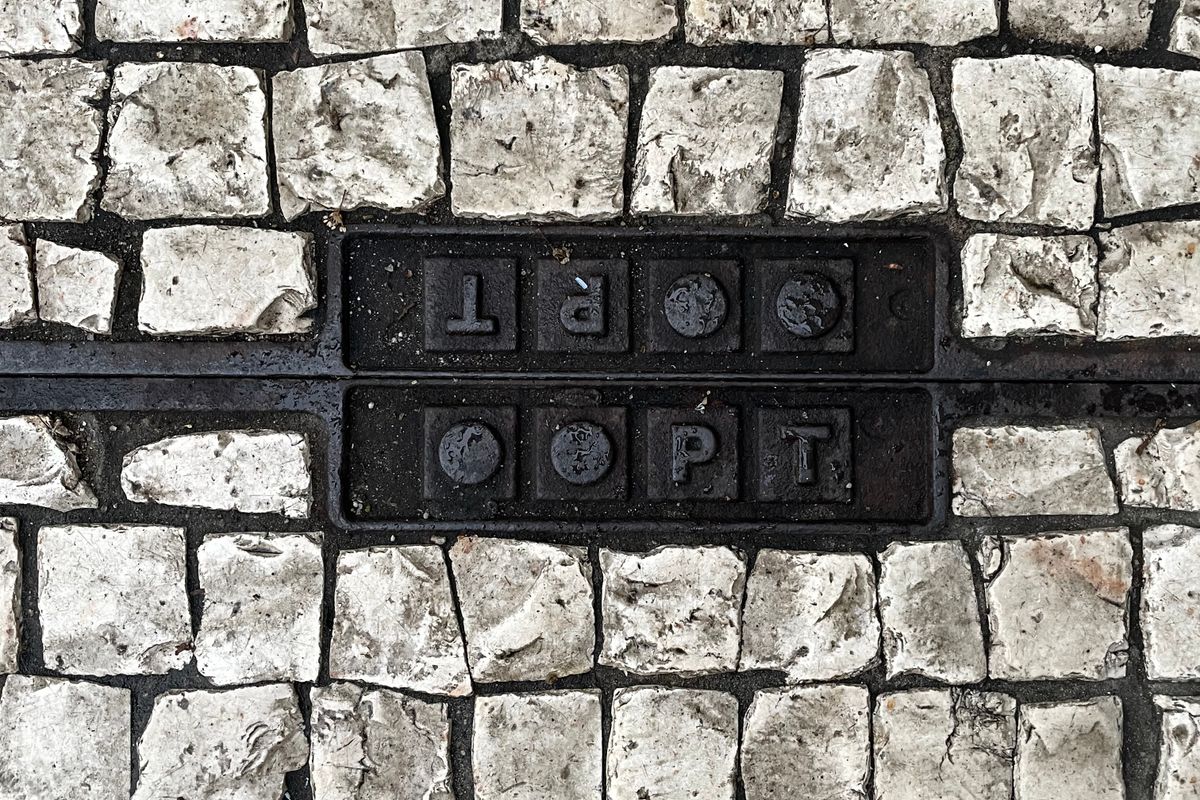
The Salomon Speedcross is one of the most recognizable trail shoes in the world, which is exactly why it keeps showing up on city sidewalks. The short answer to the question in the title: it is a trail shoe, and a highly specialized one. Here is what the spec sheet says about why that matters.
What the Lugs Are Actually For
According to the published spec, the Speedcross 6 carries 5 mm deep, sharp lugs in Salomon’s Mud Contagrip compound, which the product page describes as built for “loose, soft, rugged, and uneven surfaces.” That geometry works by penetration: the lugs sink into mud or soft dirt and find grip where a flatter sole would slide. Everything else matches the brief — a 32 mm heel stack with 10 mm drop, an EnergyCell+ midsole, anti-debris mesh, and quickLACE pull cords, at a listed 298 g per men’s shoe.
The Wet Cobblestone Problem
On wet stone slabs, polished sidewalk, or old cobblestones, that same geometry works against you. Deep lugs cut the rubber-to-stone contact area down to a handful of small points, and on a smooth hard surface there is nothing for those points to bite into. Less contact area on a firm compound means less friction, which is the textbook recipe for sliding on wet rock. The pattern across verified buyer reviews is consistent: mud and soft trails are where the Speedcross dominates, and hard wet surfaces are where owners report the least confidence. Our article on why cobblestone punishes stiff midsoles covers a different failure mode, but the conclusion rhymes — trail hardware is not city hardware.
There is also a wear cost. Lugs designed to shed mud chew themselves down quickly on abrasive pavement, so a pair used for daily commuting feels noticeably less sure-footed within a season, long before a trail-only pair would.
Where the Speedcross Actually Wins
Give the shoe its due on the terrain it was built for. Soft forest paths, muddy towpaths, wet grass, and loose gravel are exactly where 5 mm lugs earn their keep, and the snug Sensifit wrap holds the shoe planted on off-camber ground. If your trip mixes city days with genuinely muddy trail days, the Speedcross can serve as a single-shoe compromise: awkward on pavement, excellent off it.
What to Buy for City Use Instead
If most of your walking is urban, start with a shallower-lugged design. Salomon’s own XA Pro 3D v9 trades the mud lug for All Terrain Contagrip and adds a stabilizing chassis; our XA Pro vs Moab comparison covers how that plays out against a classic hiking shoe. For pure pavement travel, a road-oriented max-cushion shoe such as the Hoka Clifton 9 is the more sensible tool — our Hoka vs Allbirds walking comparison covers that end of the spectrum.
FAQ
- Can you wear Salomon Speedcross on pavement?
- You can, but it is a poor match. The deep, sharp lugs are designed to dig into soft ground; on hard pavement they reduce rubber-to-surface contact, feel lumpy underfoot, and wear down much faster than a road sole would.
- Do Speedcross shoes slip on wet rock?
- On wet, smooth stone, yes. The pattern across owner reviews is that hard slick surfaces are the Speedcross 6's weakest terrain, because lug depth only helps when the lugs can bite into something soft enough to penetrate.
- What is a better Salomon for city walking?
- The Salomon XA Pro 3D v9 uses shallower All Terrain Contagrip lugs and a stabilizing chassis, which makes it far more composed on pavement and mixed surfaces while keeping genuine trail capability.
On the Ground
Four surfaces, read separately
Airport day
Terminal floors, security lines, overnight feet.
Beach town
Hot pavers, algae-slick steps, sand in everything.
City walking
Old stone that never flexes underfoot.
Trail day
Day-trip dirt that turns to mud by noon.