Guide
How to Wash and Dry Travel Shoes
By Rowan Hale, Footwear Editor · Published Oct 1, 2026 · Updated Oct 1, 2026
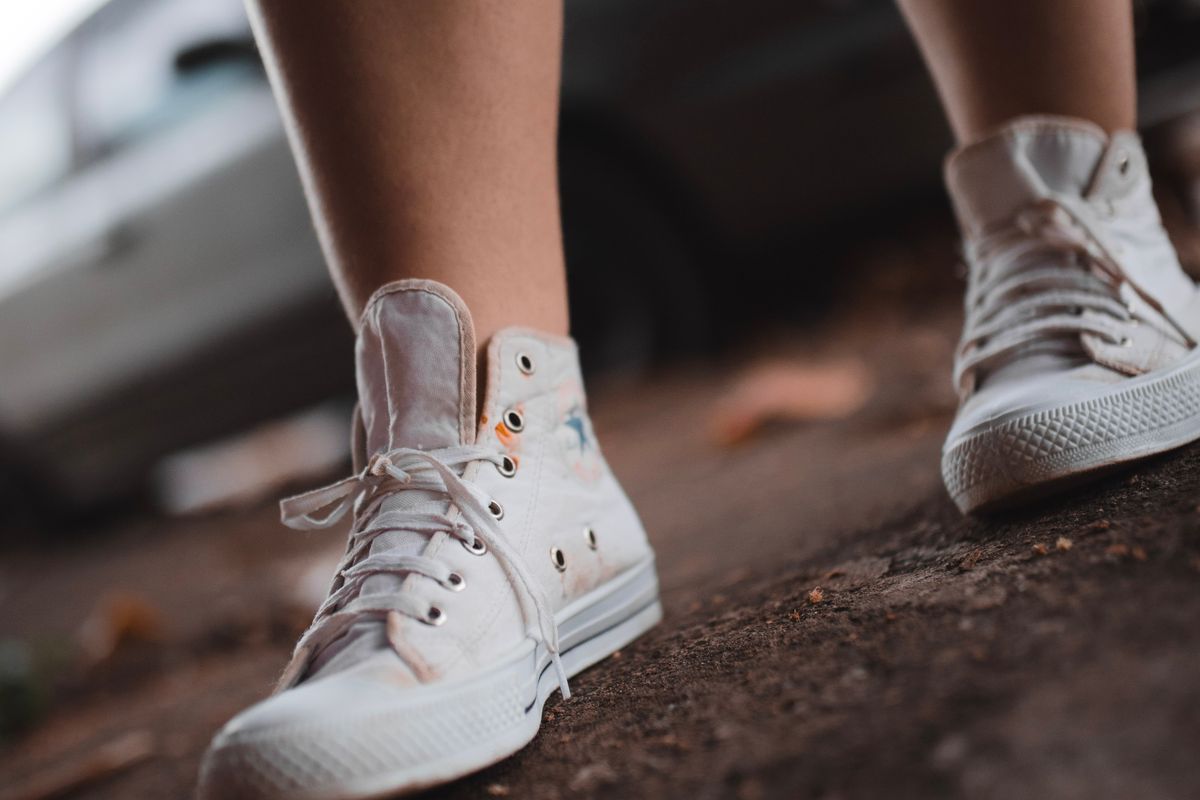
Know Your Upper Before You Add Water
Different uppers fail in different ways, so start by identifying the material.
Mesh and knit: the easiest category. Remove the laces and insoles, brush off loose dirt, then wash by hand in lukewarm water with mild detergent and a soft brush, working in circles. The thin adhesives behind mesh linings are the fragile part, so scrub the surface rather than flooding the shoe. A few brands do design for machine washing; Allbirds’ own care page, for example, tells owners to pull out the insoles and laces, use a gentle cold cycle in a garment bag, and air dry, with spot cleaning recommended where possible.
Leather and suede: never machine wash. Wipe smooth leather with a barely damp cloth and a little mild soap, then condition once dry. Suede wants a dry brush and a suede eraser; water leaves marks and stiffness that are difficult to reverse.
The Machine-Wash Trade-Off
A washing machine does clean shoes, which is why the idea keeps spreading. The cost is concentrated in the glue. Modern travel shoes are largely stitched-and-glued assemblies, and a machine cycle combines three stresses at once: warm water that softens adhesive, a violent spin that flexes the midsole-to-upper bond, and repeated drum impacts. Outsoles peeling at the toe and midsoles separating at the heel are the typical aftermath. If you must machine wash, use a cold delicate cycle, a mesh bag, no spin or minimal spin, and plenty of towel padding in the drum. Hand washing in a sink achieves the same cleanliness for a fraction of the risk, which matters more when the shoes in question are your only pair for the trip. The construction differences between shoe types are covered in our guide to choosing travel shoes.
Drying: Where Most Shoes Are Ruined
Drying causes more silent damage than washing does. EVA midsoles and the adhesives holding a shoe together both soften with heat, so a shoe dried on a radiator or left in direct afternoon sun can come out with a warped midsole and a glue line that fails within weeks. The safe method is slow and dull: room temperature, good airflow, insoles out, laces loosened, and crumpled paper inside the toe replaced as it dampens. Placing the shoes near, not on, a fan shortens the wait considerably without adding heat.
Dealing With Odor
Odor lives in the lining and the insole, so pull the insoles after every wear rather than only at wash time. Hand wash insoles separately in mild soapy water and let them dry fully. Baking soda sprinkled into the shoe overnight, then shaken out, absorbs the smell that a surface wash misses. Sunlight helps inside the shoe but only briefly; a couple of hours is enough to freshen the lining without heating the glue. If the pattern across traveler habits is any guide, the shoes that stay fresh longest are the ones cleaned lightly and often, dried slowly, and never compressed into a packed bag while still damp, an easy state to reach after long days on rough ground like cobblestone streets.
FAQ
- Can you put travel shoes in the washing machine?
- Some knit and canvas shoes tolerate a gentle cold cycle, and a few brands design for it, but heat, spinning, and drum impact can separate glued parts and deform midsoles. Hand washing reaches the same result with far less risk.
- How do you dry shoes fast without damaging them?
- Air dry them at room temperature with the insoles removed and laces loosened, stuffing the toe with paper to pull moisture out. Never place them on a radiator, against a heater, or in direct sun, since heat above what your hand finds comfortable softens the adhesives.
- How often should travel shoes be washed?
- Wash them when they are visibly dirty or start to hold odor, typically every few weeks of regular wear. Frequent light cleaning with a brush beats rare aggressive soaking, which stresses materials and glue.
On the Ground
Four surfaces, read separately
Airport day
Terminal floors, security lines, overnight feet.
Beach town
Hot pavers, algae-slick steps, sand in everything.
City walking
Old stone that never flexes underfoot.
Trail day
Day-trip dirt that turns to mud by noon.