Guide
How to Break In New Shoes Before a Trip
By Rowan Hale, Footwear Editor · Published Oct 1, 2026 · Updated Oct 1, 2026
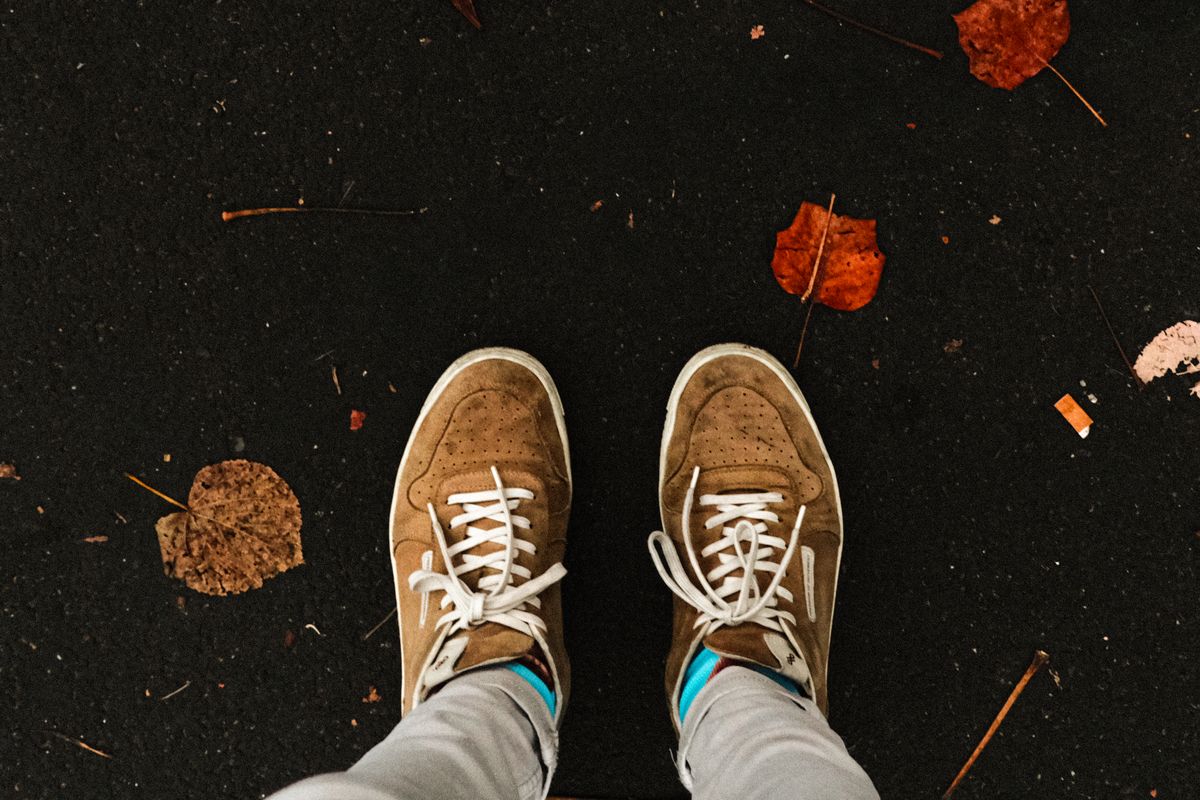
A Two-Week Break-In Plan
Start fourteen days out and treat break-in as training for your skin and your feet, not just for the shoe. A shoe that fits correctly from day one breaks in fastest, so run it through the fit checks in our travel shoe buying guide before you commit to the schedule.
Days one to three: wear the shoes indoors for an hour or two at a time with the socks you plan to travel in. Indoor wear catches fit problems early, keeps friction short, and lets you return a defective pair if something is badly off.
Days four to eight: take the shoes outside for everyday errands of two to four kilometers. Vary the surface between pavement and smoother paths. Pay attention to hot spots rather than pain; a warm patch on a toe or heel is the early warning a blister gives you.
Days nine to thirteen: lengthen one walk to at least half of your expected travel day, then finish the week with one session close to a full day of walking. If the shoes pass that, a long sightseeing day holds no surprises. If they do not, you still have a day or two to switch to a known pair, which is a far better outcome than discovering the problem abroad.
Real Break-In vs. a Shoe That Will Never Fit
Break-in only works on materials that actually change. Leather creases and stretches across the forefoot, stiff collars soften, and a firm footbed molds slightly under pressure. Those changes show up within days and keep improving.
A midsole does not work that way. The foam under your arch and heel has a fixed shape; if it pushes in the wrong place on day one, it will push there forever, and no amount of wearing will fix it. The same goes for a toe box that pinches from the start or a heel counter that bites every single time. The useful rule: discomfort that improves session by session is break-in, and discomfort that stays constant or worsens is a fit failure. Our guide to width, arch, and sizing for travel shoes walks through the fit checks that catch these problems before purchase. Shoes bought for tough surfaces add another layer, since the demands of cobblestone streets reward different structures than smooth pavement does.
Blister Prevention While You Scale Up
Friction, not pressure alone, causes blisters, so manage both sides of the shoe-skin interface. Moisture-wicking or wool socks cut the shear that cotton traps; some walkers layer a thin liner sock under a cushioned one during the break-in window. Anti-friction balm applied to known hot spots before a walk reduces the rubbing directly, and small adhesive tape patches over repeat offenders protect skin that has already been irritated. Keep toenails trimmed short during the plan, since a long nail absorbs the toe-box impacts of downhills and turns red quickly. Retire any pair that still produces a hot spot after the two weeks are up; the pattern across owner reviews of walking shoes is consistent that persistent rubbing rarely resolves after purchase.
FAQ
- How long does it take to break in new shoes?
- Plan on roughly two weeks of graduated wear for most walking shoes. Uppers and footbeds conform fairly quickly, but your skin also needs repeated exposure to the shoe's pressure points, which is what actually prevents blisters.
- Can you break in shoes in a week?
- Often yes for a well-fitted shoe: wear them indoors, then for short daily walks, then one longer outing before departure. A shoe that still hurts after several of these sessions is unlikely to improve before your flight.
- Do all shoes need breaking in?
- No. Mesh running-style shoes and knit uppers usually feel finished from day one, while leather needs time to crease and stretch. The midsole, however, does not adapt to your foot; if the sole feels wrong immediately, it will stay wrong.
On the Ground
Four surfaces, read separately
Airport day
Terminal floors, security lines, overnight feet.
Beach town
Hot pavers, algae-slick steps, sand in everything.
City walking
Old stone that never flexes underfoot.
Trail day
Day-trip dirt that turns to mud by noon.