Guide
Day Trip Essentials Checklist
By Rowan Hale, Footwear Editor · Published Oct 1, 2026 · Updated Oct 1, 2026
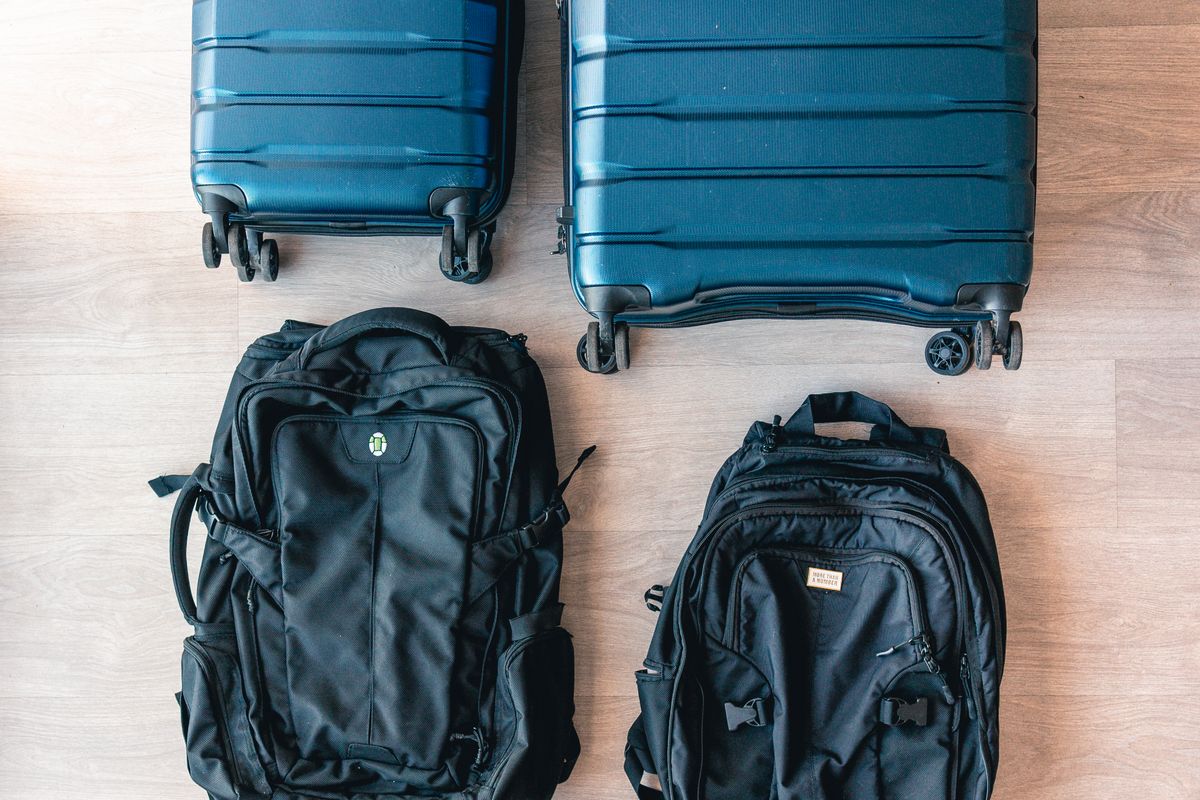
Day trips fail in two directions: the thing you needed is at home, or the thing you brought is in the car when you need it. The fix is not a longer list — it is organizing one list into three layers, by where each item lives at the moment you use it.
Layer one: on your body
These ride in pockets, a belt pouch, or a crossbody strap that never comes off:
- Phone, wallet, keys
- Any medication you might need mid-day
- Transit card or parking payment, if separate from the wallet
The test for this layer is simple: if losing it would end the trip, it does not go in the bag. Bags get set down at cafes, forgotten on benches, and left on car seats.
Layer two: in the bag
Everything that keeps the second half of the day comfortable:
- Water, sized to the weather rather than to thirst
- One layer of weather insurance: a light rain shell or warm midlayer, whichever the forecast argues for
- Snacks that survive heat and being sat on
- Sun protection: sunscreen, sunglasses, cap
- A compact first-aid strip: plasters, blister patches, painkiller sachets
- A portable charger and the one cable everything you carry uses
- A spare pair of socks
That last item is the most skipped and the most felt. On a day built around walking — which is most days out — foot comfort decides how the day ends. Fresh socks at the halfway point reset more than a lunch break does, which is why our travel socks guide puts cushioning and a dry feel above looks. The shoes matter too: one pair chosen for the day’s dominant surface beats two mismatched pairs, per the logic in our shoe selection guide.
Layer three: left in the car
For anything driven to, the car is free storage. Items that earn their spot there:
- A full water refill and a bag of anything you might want on the drive home
- The spare layer you debated bringing — if the day turns cold, the walk back to the car is cheap
- Wet wipes, a towel, and a plastic bag for muddy shoes or swimsuits
- The other pair of shoes, if you started the day in something unsuited to walking
The car layer costs nothing while you are out and rescues the day’s two most common endings: colder than expected, and dirtier than expected.
Why the layers work
The three-layer split does one job: it puts each item where the moment of need happens. Medication in a pocket beats medication in a bag under three jackets. Spare socks in the bag beat spare socks in the car, because the halfway point of a walk is rarely next to the parking. Sort every item by moment of need, and the checklist stays short enough to actually check — which is the only property a day-trip list needs.
FAQ
- What should always stay on your body during a day trip?
- Anything that ends the day if lost: phone, wallet, keys, any medication. Bags get set down at lunch, forgotten on benches, or left in cars. The on-body layer exists precisely for the things that cannot ride in one.
- How big should a day trip bag be?
- Small enough to carry all day without complaint — typically 10 to 20 liters. If the layer-two list below does not fit in that size, the problem is the list, not the bag.
- Do I need different shoes for a day trip?
- Usually not — one pair chosen for the day's dominant surface is enough. What matters more is the socks: a fresh, cushioned pair does more for late-day foot comfort than swapping shoes at lunch.
On the Ground
Four surfaces, read separately
Airport day
Terminal floors, security lines, overnight feet.
Beach town
Hot pavers, algae-slick steps, sand in everything.
City walking
Old stone that never flexes underfoot.
Trail day
Day-trip dirt that turns to mud by noon.